Planning sustainable corporate events: Environmentally friendly and socially conscious
Monday, December 1, 2025
 Sustainability is far more than just a trend. It is a crucial factor in planning corporate events. Companies want to take responsibility, conserve resources, and simultaneously send a positive signal both internally and externally. But sustainable events don't automatically mean higher costs or more effort. Even small, well-thought-out measures can improve the environmental footprint and leave a lasting impression on participants.
This article provides practical tips on how to make your next corporate event more environmentally friendly, socially conscious, and attractive at the same time.
Sustainable planning starts early
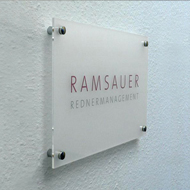
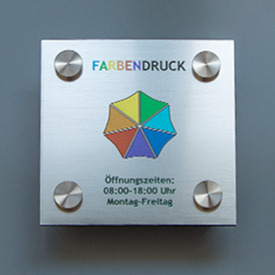
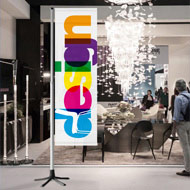
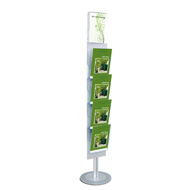
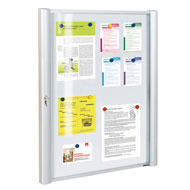
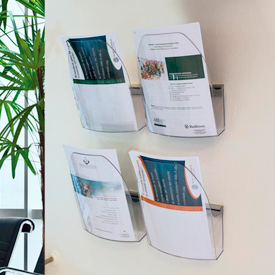
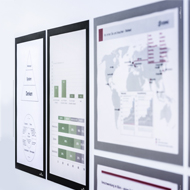
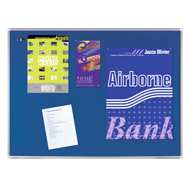
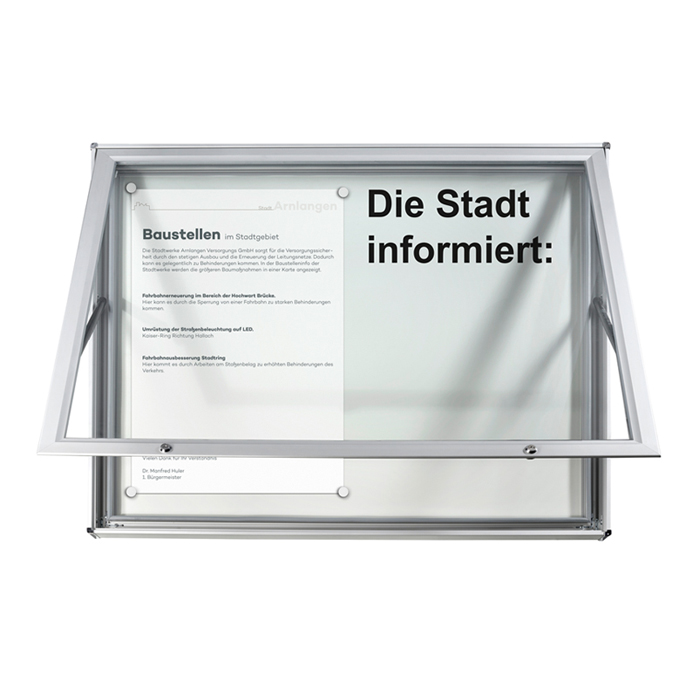
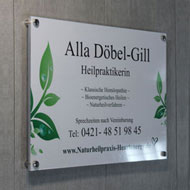
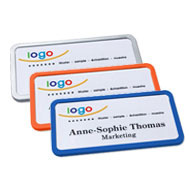
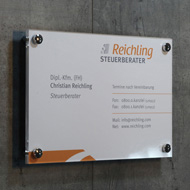
Environmental awareness begins with the event preparation. The foundation for this is laid as early as the planning phase. It's worth it...… choose resource-saving materials. Invitations, information materials, or wayfinding signs, for example, can be sent digitally or printed on recycled paper. Furthermore, reusable signs, boards, or displays can be used long-term, thus conserving resources.
…prefer regional partners. Caterers, event service providers and suppliers from the surrounding area reduce transport distances and support local structures.
… select a sustainable location. It is advantageous to pay attention to good connections to public transport as well as an existing environmental concept, as many event venues now rely on renewable energies, waste separation and energy-saving systems.
Environmentally friendly catering makes the difference
 Catering plays a central role in sustainable events. With the right choices, resources can be conserved while simultaneously delighting guests with culinary experiences. Regionally and seasonally sourced ingredients ensure freshness and flavor. Since they have shorter transport routes, CO₂ emissions are also reduced. Conscious menu planning with a higher proportion of plant-based dishes significantly reduces the ecological footprint. Reusable dishes, glasses, or carafes prevent unnecessary waste. If disposable materials are unavoidable, biodegradable alternatives offer a good solution. Furthermore, the avoidance of food waste should be considered – for example, through adjusted portion sizes or by collaborating with organizations that accept surplus food.
Sustainable decoration and design
Decoration doesn't have to be wasteful to be inviting. It can be stylish and environmentally friendly at the same time.✔
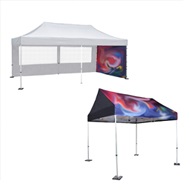
Reusable elements: Plants, fabric banners or sturdy signs can be used multiple times. Neutral displays or modular components are also sustainable.✔
Natural and durable: Materials like wood, fabrics, or glass create a pleasant atmosphere without producing unnecessary waste and are long-lasting.✔
Minimalist instead of cluttered: A reduced design often appears more modern and stylish and is also environmentally friendly.Energy and resource efficiency
While technology is indispensable at corporate events, it should be used consciously. Energy consumption can be significantly reduced through energy-saving lighting, optimal use of daylight, and digital alternatives to printed materials. Efficient technical planning, for example through well-matched audio equipment or reduced stage lighting, also contributes to resource conservation.Promoting sustainable mobility
Another crucial aspect is participant mobility. Guests' travel to the event often contributes significantly to CO₂ emissions. Choosing an easily accessible location near public transport facilitates travel and reduces traffic congestion. Incentives such as discounted tickets, meeting points, or shared transfers encourage the use of public transport and increase the appeal of sustainable mobility. Even for rural venues, shuttle services or carpooling can be a particularly environmentally friendly option.Including social sustainability
Sustainability encompasses not only ecological but also social aspects.1. Involving local initiatives, for example through workshops or fundraising campaigns, strengthens community engagement.
2. Barrier-free access, clear signage, transparent communication, and accessible spaces ensure a pleasant experience for all participants.
3. Fair working conditions at service providers and partners can also be taken into account. This includes, for example, fair wages, local jobs, and transparent business processes.